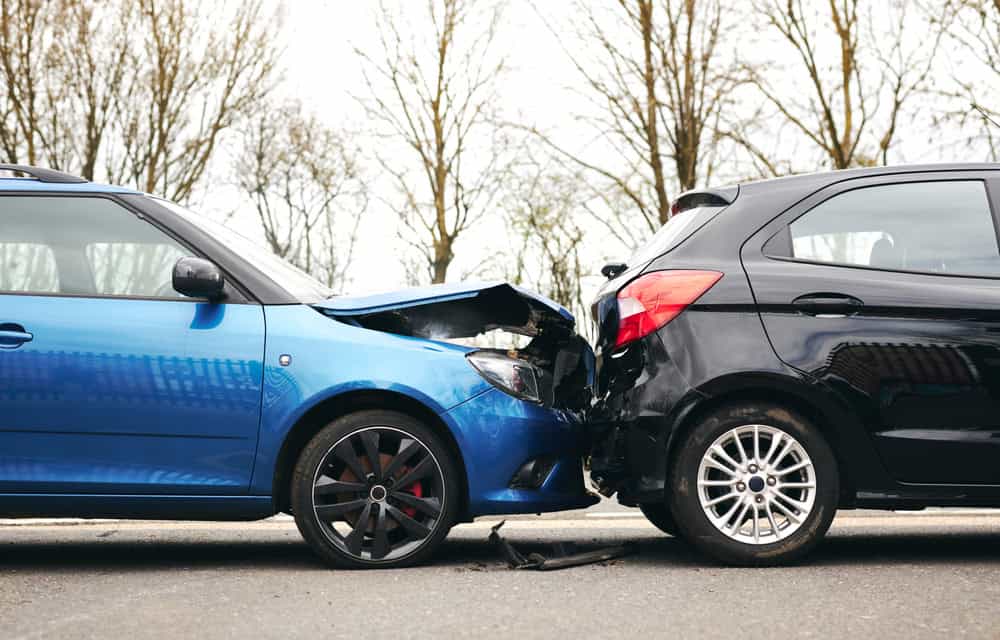
When you get in an accident, everything feels chaotic. There are sirens, phone calls, and an overwhelming amount of pain that you can’t seem to get past. Paperwork is just insignificant in relation to how crazy everything else is at that point in your life. Medical records have no physical presence at all; however, they often hold the key to the resolution of your case. In fact, in accidents in Houston, Medical Records can often tell the entire story of your injury after your memory has faded. Your Medical Records will indicate where you were injured, the time of that injury and how long you will continue to have pain. Without your Medical Records, even though you have experienced real Injury there will be room for doubt regarding any validity of your injury. It is often not until it is too late that people realize this fact!
Why medical records carry so much weight
Insurance companies trust paper more than people. They trust dates, codes, and notes over pain stories. Medical records create a timeline. They connect the crash to the injury. They show cause and effect in plain terms. When records are clear, cases move forward. When they are messy, claims stall or shrink. Courts rely on records too. Judges and juries want proof that feels solid. A chart from a doctor often feels safer than a witness memory.
What counts as a medical record anyway?
Most people think of hospital charts only. That’s part of it, not all. Medical records can include:
- ER intake notes
- Ambulance reports
- X-rays and MRI results
- Doctor visit summaries
- Physical therapy logs
- Prescriptions and refill notes
- Mental health treatment notes
Each piece adds depth. One visit shows pain. Several visits show persistence. Honestly, even a short note matters. A nurse’s comment about limited movement can support a serious claim.
Timing matters more than people expect
Delay hurts cases. That sounds harsh, but it’s true. If you wait weeks to see a doctor, insurers ask questions. “Was the injury from the crash or something else?” “Why didn’t they seek help sooner?” Quick care creates a clean link. Late care creates doubt. That does not mean panic visits for small aches. It means listening to your body and acting when pain stays. Seasonal traffic spikes in Houston make this worse. More crashes mean insurers grow cautious. Records become their filter.
Gaps in treatment raise red flags
Missed appointments tell a story too. Often the wrong one. Insurers may say gaps mean you healed. They may say the pain wasn’t serious. Real life is messier. Work, kids, money, fear. All of it interferes. Still, records don’t show context. They show facts only. A long gap can weaken a claim even if pain stays real. A lawyer often explains these gaps before they cause harm. That step matters more than people think.
Words inside records can change outcomes
Doctors write for care, not lawsuits. That causes trouble. A note saying “patient feels better” may mean slight relief. Insurers read it as full recovery.
Small phrases get blown up.
“Pre-existing.”
“Degenerative.”
“Chronic.”
These words don’t end cases. They do complicate them. An experienced attorney knows how to address these phrases without changing facts. That skill protects value.
Insurers read records differently than lawyers
Insurance adjusters hunt for limits. They scan for doubt, not fairness. They look for:
- Prior injuries
- Missed visits
- Normal imaging results
- Notes suggesting improvement
Lawyers read deeper. They look for patterns and meaning. A Houston personal injury lawyer often pairs records with expert review. Doctors can explain why pain lasts even when scans look normal. Soft tissue injuries live in these gray areas. Records help explain them.
The role of specialists and follow-ups
Primary care notes start the story. Specialists finish it. Orthopedic doctors, neurologists, and pain specialists add detail. They explain mechanics, not just symptoms. Follow-up visits show effort. They show you tried to heal. Honestly, consistency builds trust. Not drama. Not exaggerating. Just steady care.
Privacy concerns people worry about
Medical privacy still matters. Records don’t become public gossip. Only relevant records usually get shared. Lawyers protect unrelated history. Still, insurers may request broad access. This is where guidance helps. Signing everything blindly can expose old issues that confuse new claims. A careful approach keeps focus where it belongs.
How strong records support real compensation
Medical bills show cost. Records show impact. They support claims for:
- Pain and suffering
- Lost income
- Ongoing care
- Future treatment
Without records, these numbers look made up. With records, they feel earned. This is why firms like Schechter, Shaffer & Harris, LLP – Accident & Injury Attorneys focus early on records. They know stories win hearts, but records win cases.
It’s not about perfection
Here’s a mild contradiction. Perfect records help. Imperfect records still work. Most cases aren’t clean. People miss visits. Notes conflict. Pain fluctuates. Good legal work explains flaws instead of hiding them. That honesty often builds credibility. You don’t need a flawless file. You need a truthful one.
Where legal help fits in naturally
Lawyers don’t treat injuries. Doctors do that. Lawyers organize proof. They shape records into a clear arc. If you’re working with a Houston personal injury lawyer, medical records become tools, not traps. They guide demand letters, talks, and trial plans. That structure eases stress. It lets you focus on healing.
Frequently Asked Questions
- Why are medical records so important after a Houston car accident?
Brief answer:
They prove your injuries came from the crash.
Detailed answer:
Medical records create a clear link between the accident and your condition. They show when pain began and how it progressed. Insurers rely on these records more than personal statements. Without them, even serious injuries can be questioned or minimized.
- Should I see a doctor even if I feel okay after a crash?
Brief answer:
Yes, if symptoms linger or change.
Detailed answer:
Some injuries appear days later. Early visits document symptoms before they worsen. Records from prompt care help block claims that injuries came from another cause. Waiting too long often creates doubt that is hard to fix later.
- Can gaps in treatment hurt my car accident claim?
Brief answer:
Yes, but they can be explained.
Detailed answer:
Insurers often argue gaps mean you healed. Life reasons don’t show in charts. A lawyer can explain missed visits and restore context. Honest explanations work better than ignoring gaps.
- Will old injuries ruin my case?
Brief answer:
No, but they need care.
Detailed answer:
Prior injuries don’t cancel new ones. Records can show how the crash made things worse. Doctors and lawyers often separate old pain from new harm. Clear notes help in the legal process to protect this distinction.
- How does a law firm use medical records to increase compensation?
Brief answer:
They turn facts into proof.
Detailed answer:
Law firms like Schechter, Shaffer & Harris, LLP – Accident & Injury Attorneys review records line by line. They spot weak points early and address them. Records support medical costs, pain claims, and future care needs. Strong records often lead to stronger results.
Final Thoughts
Medical records may feel boring. They are anything but. They speak when you’re tired of explaining. They carry your story forward when words fall short. And after a Houston car accident, that quiet power matters more than most people expect.