Material waste in rubber track production does not come from one source. It can appear during material preparation, molding, curing, demolding, handling, or repeated adjustment. Manufacturers that want to reduce waste need to examine the full production flow instead of focusing only on rejected finished tracks. This is especially important when reviewing a rubber track manufacturing process for different vehicle applications.
The right questions can reveal where material loss starts and which process changes may reduce it. They can also help purchasing and engineering teams judge whether a rubber track vulcanizing machine fits the required track size, curing method, and production rhythm before equipment decisions are made.
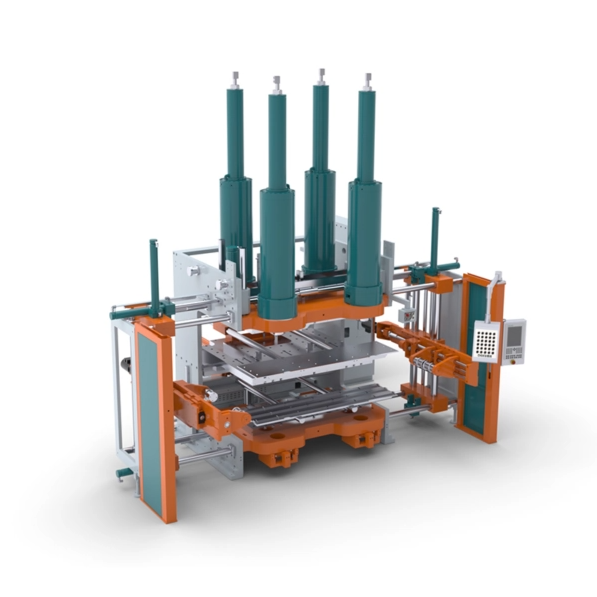
Where Does Material Loss Begin in the Production Flow?
The first question should focus on where scrap is actually created. Excess material around the mold, inaccurate loading, unstable handling, or improper curing conditions can all increase waste. Teams should record loss by production stage instead of calculating only the final scrap rate.
Material preparation also deserves attention. If operators repeatedly compensate for inaccurate loading by adding more compound, waste may become part of the normal routine. Clear loading procedures and stable material transfer can make the amount entering each mold more consistent.
Data should then be connected with specific shifts, molds, track types, and operating conditions. This makes it easier to distinguish a repeated process issue from an isolated operator error or material variation.
How Consistent Is Material Loading Before Curing?
Consistent loading matters because too much rubber can create flash and trimming waste, while too little can cause incomplete filling or rejected parts. Manufacturers should check how material is measured, positioned, transferred, and loaded before the mold enters the curing stage.
The rubber track manufacturing process can become harder to control when multiple loading steps depend heavily on manual judgment. More structured handling can reduce variation between cycles and make material use easier to compare across batches.
For B2B manufacturers, this question should also include changeover work. Different agriculture, construction, military, or snowmobile tracks may require different molds and process settings. The loading method needs enough flexibility to support these changes without creating repeated trial material.
Can Curing Control Reduce Rework and Overprocessing?
Curing is another area where waste can increase quietly. Inconsistent temperature, timing, or shutdown control may produce under-cured or overprocessed tracks. Some curing defects cannot be corrected through further processing, so monitoring curing conditions can help reduce scrap caused by out-of-specification cycles.
The selected rubber track vulcanizing machine should therefore be reviewed not only by clamping or molding capability, but also by how clearly the curing cycle can be monitored and controlled. Smart monitoring can help operators follow process status and respond to irregular conditions with better information.
This is where Dekuma can be introduced naturally. They provide rubber track production equipment with automated handling, demolding, process control, and a curing shutdown function. These features are relevant when manufacturers want tighter control over repeated production cycles rather than relying mainly on manual checks.
How Much Waste Comes From Handling and Demolding?
Material loss is not limited to the molding stage. Tracks can also be damaged during transfer or demolding. Poor handling may deform hot products, damage edges, or create extra manual work before the track can move to the next stage.
Manufacturers should observe how many times a track is moved, where operators intervene, and whether the product is supported correctly during release from the mold. Controlled transfer methods and consistent product support can help reduce handling damage and variation between production cycles.
For this reason, an integrated production line can be useful in plants with repeated track production. The dedicated Rubber Track Production Line described by Dekuma combines automated handling, demolding, and process control for agriculture, construction, military, and snowmobile track applications.
Are Process Improvements Based on Measured Results?
Waste reduction should continue after equipment installation. Teams need a way to compare material use, rejected parts, curing interruptions, and handling problems over time. Without measured results, process changes can become difficult to evaluate.
Continuous iteration is more useful when it is tied to actual production records. Manufacturers can compare similar track models, review recurring defects, and adjust operating procedures according to observed causes. This gives engineering teams a clearer basis for deciding whether a change has reduced waste or simply moved it to another stage.
Using a rubber track vulcanizing machine with smart monitoring can give operators more visibility into machine status and cycle conditions. The same principle applies across the rubber track manufacturing process: improvements should be based on repeatable data, not only on operator impressions.
Turning Waste Reduction Into a Practical Review
Material waste reduction starts with better questions. Manufacturers should identify where scrap begins, check loading consistency, review curing control, study handling steps, and measure the result of every process change. These questions keep the discussion connected with real production conditions.
When equipment is evaluated through this lens, the focus moves away from simple machine specifications. It becomes easier to judge whether automation, monitoring, demolding, and curing control support stable production with less avoidable material loss. This provides a more useful basis for long-term process improvement and equipment planning.